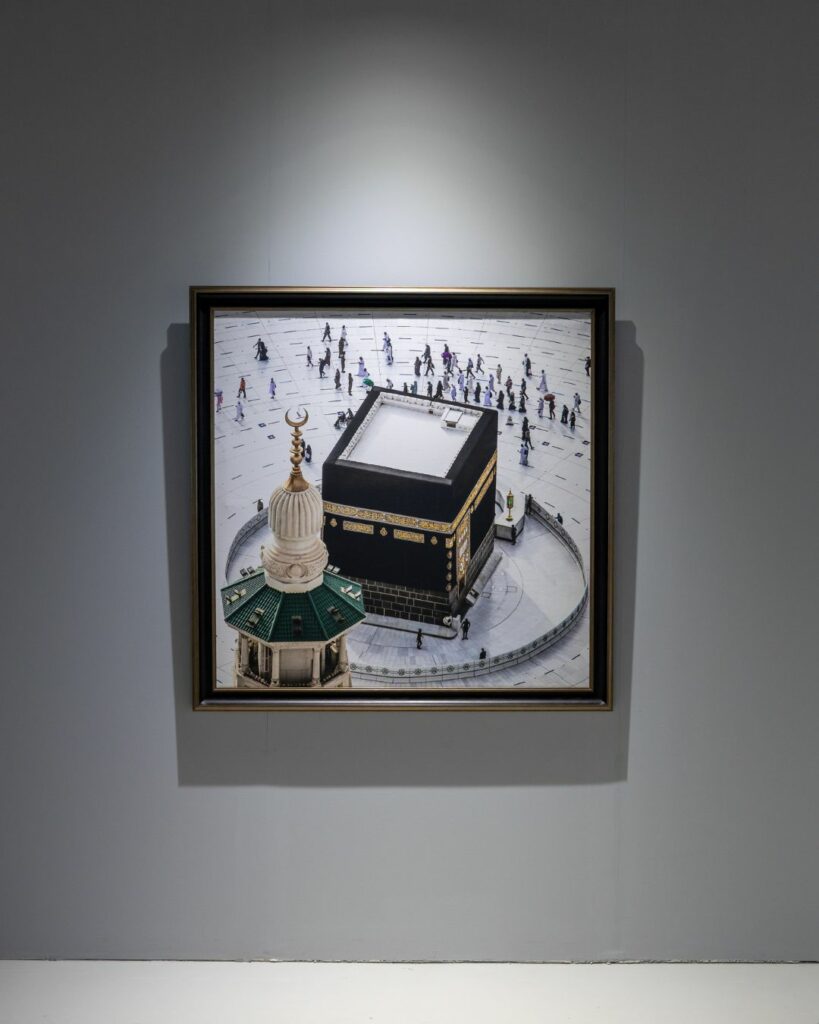
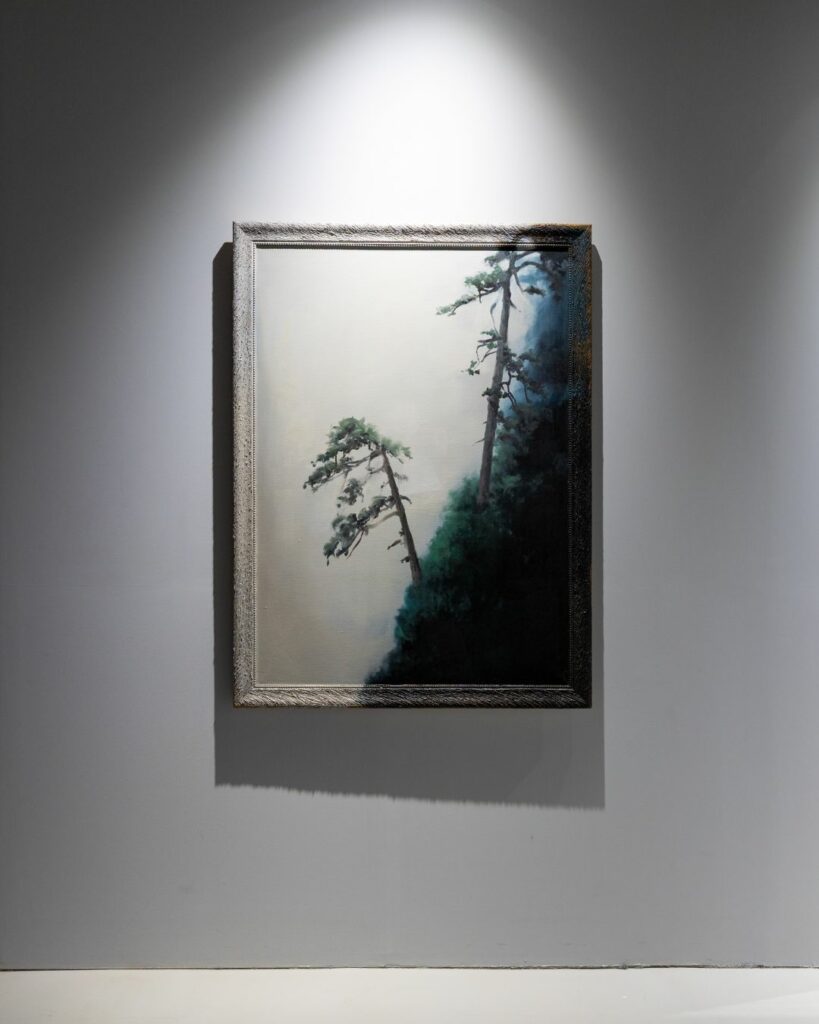
WHEN THE WIND TURNS EAST
COMMON GROUND FESTIVAL
24 DECEMBER 2025 - 6 JANUARY 2026
RIYADH, KINGDOM OF SAUDI ARABIA
When the Wind Turns East marks a historic cultural encounter between Saudi Arabia and China, bringing together artists whose works explore heritage, landscape, and collective memory through contemporary forms. Curated by the Sigg Art Foundation in collaboration with Jérôme Sans, this exhibition is part of the Common Ground Festival, organized by the Ministry of Culture of Saudi Arabia and produced by Benchmark.
Bridging Two Ancient Worlds
When the Wind Turns East unfolds as a contemporary journey between two ancient civilizations, where threads of memory, nature, and imagination intertwine. Drawing spirit from the historic routes of cultural exchange, the exhibition evokes a renewed encounter between East and East, positioning Saudi Arabia and China not as distant counterparts but as regions sharing profound aesthetic sensibilities and philosophical traditions.
The exhibition brings together a generation of artists whose practices open dialogue between the tangible and spiritual, past and present, local and universal. Through painting, sculpture, installation, and media art, these works reveal subtle correspondences between cultures that have long looked to the horizon as both destination and promise. Desert and mountain, wind and water, calligraphic gesture and silent stone become metaphors of transformation and continuity. This shared cultural space does not aim to fuse identities but to allow them to resonate in proximity, reflecting one another in their distinctness. As visitors move through the exhibition, they follow a fluid itinerary recalling ancient pathways of caravans and travelers, where art, scent, and sound weave together in quiet openness.
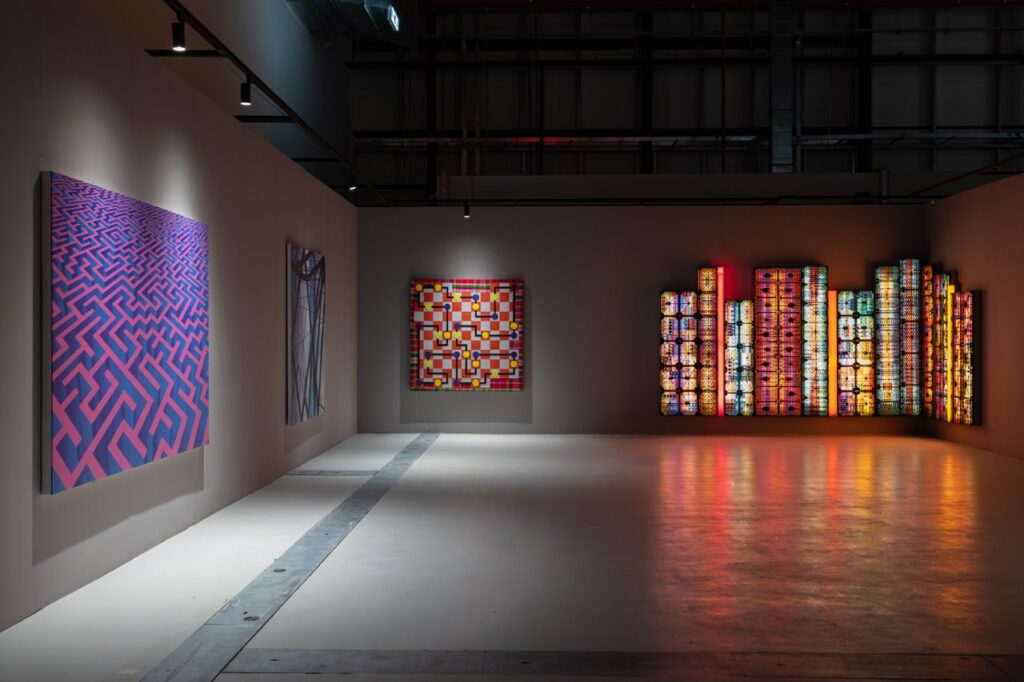
Curatorial Vision: Three Thematic Chapters
When the Wind Turns East is structured across three conceptual territories, each exploring how heritage, geography, and collective memory shape artistic identity.
When the Desert Meets the Sea of Memory
When the Desert Meets the Sea of Memory examines landscape and remembrance through works that position desert and ocean as opposing yet spiritually connected forces. Artists translate natural elements into languages of reflection: sand, stone, pigment, and sound become vessels of remembrance, materials that absorb and transmit the invisible. This section probes how place becomes psyche, and how memory circulates through matter, gesture, and breath.
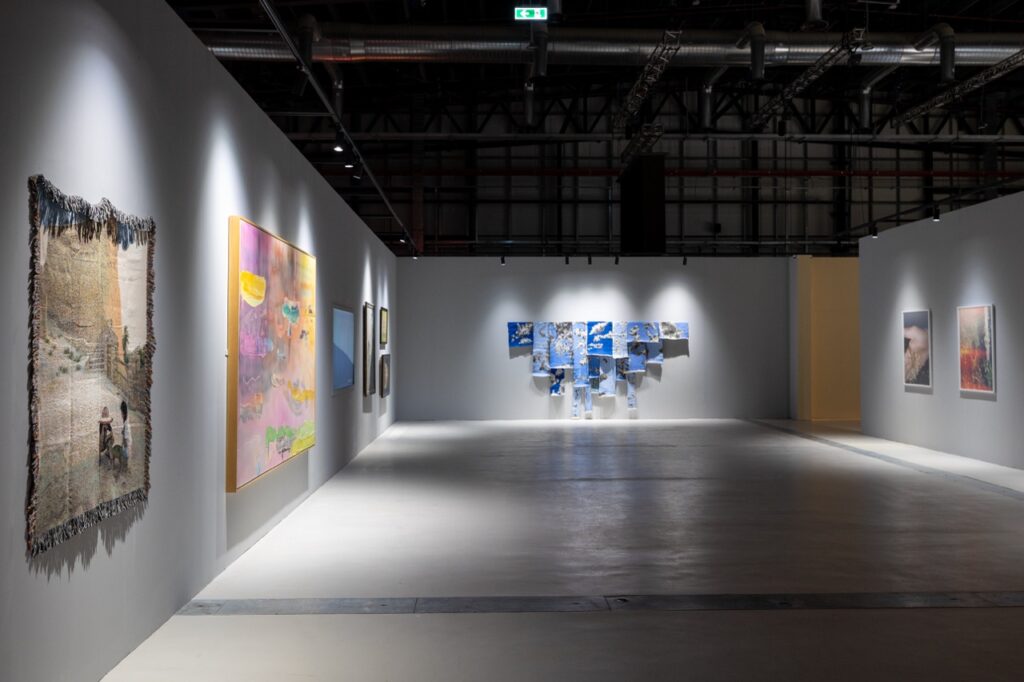
Woven Between Light and Earth
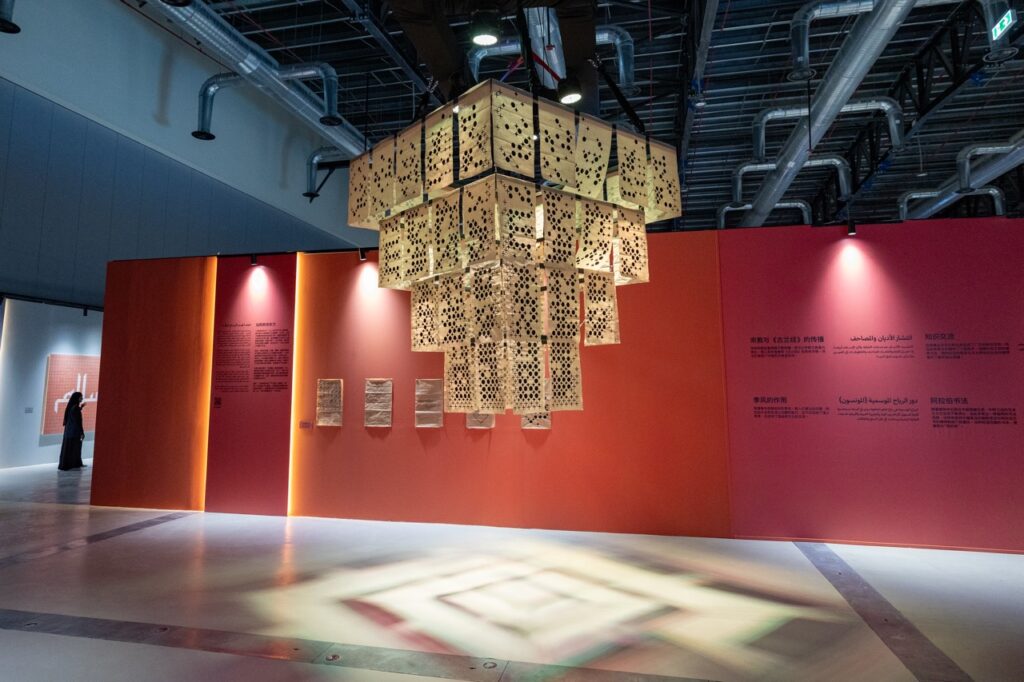
Woven Between Light and Earth explores the relationship between spiritual and material through calligraphy, texture, sculpture, and form. Here, artists merge traditional craft with contemporary design, transforming the meaning of words and calligraphic forms into three-dimensional structures. Light becomes a sculptural element shaping perception, while earth anchors these gestures as both weight and witness, carrying the touch of hands and imprint of rituals.
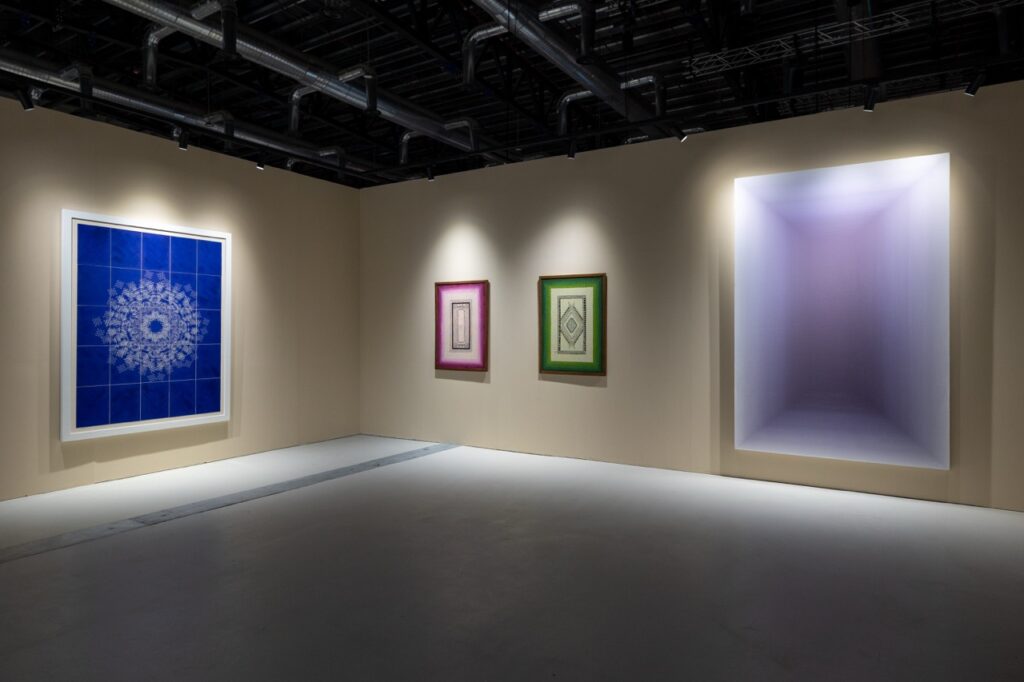
Future Traces
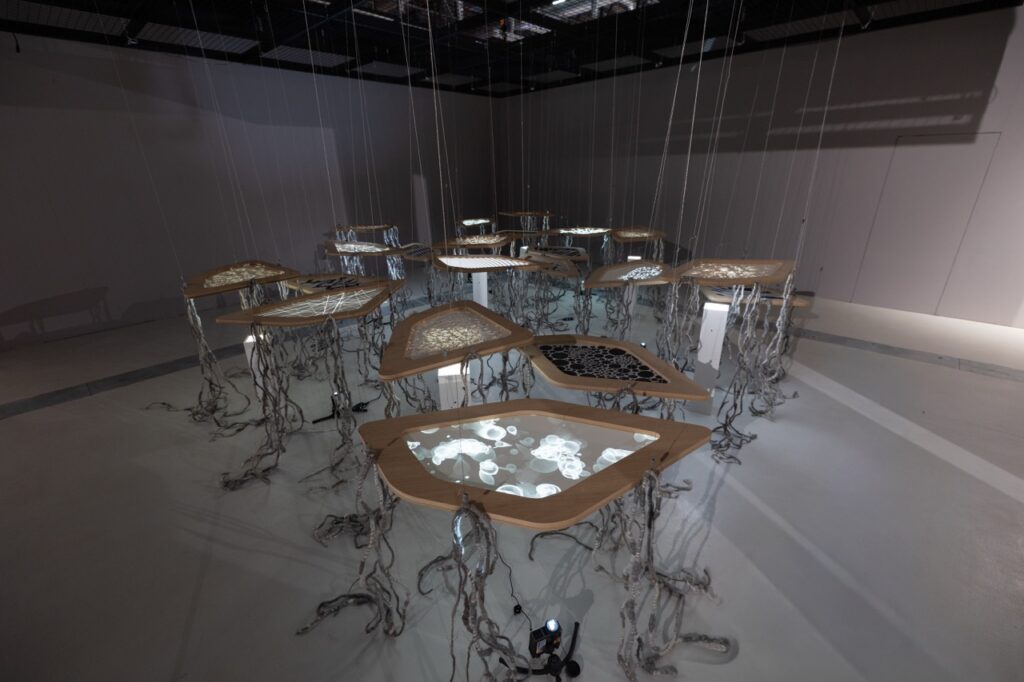
Future Traces looks forward while remaining rooted in tradition’s continuum. This final chapter asks how gestures of the past can be reactivated not as heritage to preserve but as living energy to transform. Artists reimagine ancestral aesthetics to express contemporary visions, blending innovation, memory, and cultural continuity into new creative vocabularies through sound, movement, and digital processes.
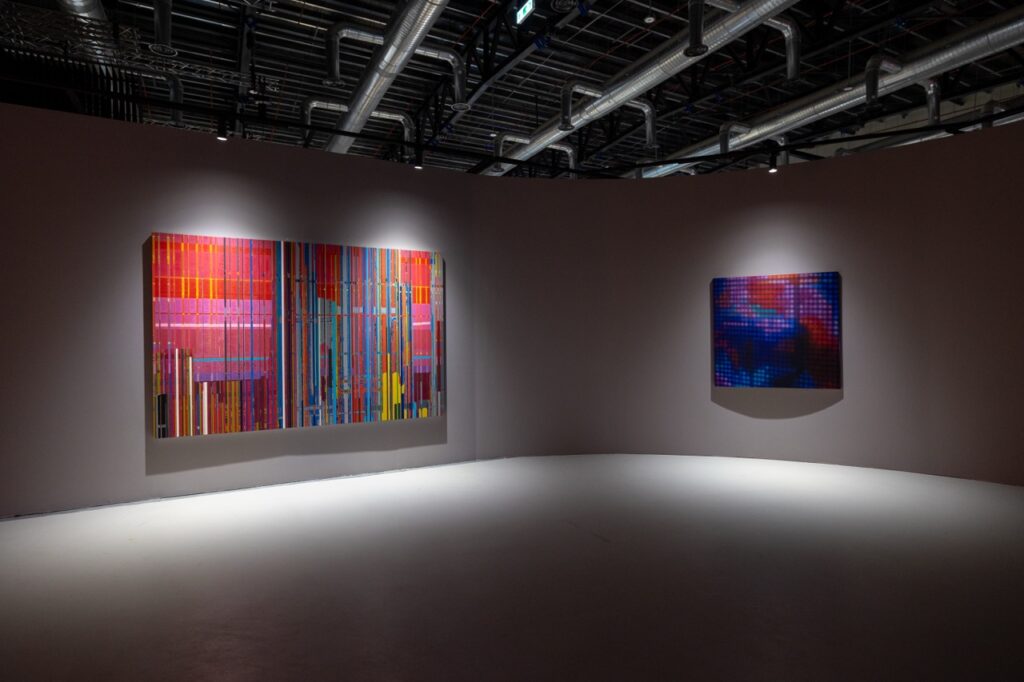
Collections That Speak Across Cultures
Great art collections are not built to be owned — they are built to speak. To spark conversations that travel across time, geographies, and generations. When the Wind Turns East brings together exceptional works from the Uli Sigg Collection, one of the most influential collections of Chinese contemporary art, and the Pierre Sigg Collection, a singular corpus spanning Modern Art, Post-War works, and emerging contemporary practices, with a strong presence of Saudi contemporary artists.
United by a shared commitment to artists, both collections reflect decades of curiosity, patience, and long-term trust in creative practices. Rather than following trends, they form living archives of artistic experimentation in China and Saudi Arabia. Presented together in Riyadh, these works create a powerful Saudi-Chinese contemporary art dialogue, positioning the exhibition as a landmark moment for contemporary art in Saudi Arabia and for cultural exchange between the Middle East and Asia.