Sigg Art Prize 2024
Sigg Art Foundation posits that AI is not merely another technological innovation destined to be swiftly superseded, but rather a transformation as profound and significant as the emergence of photography during the industrial revolution. AI is reshaping our approach of reality representation, memory construction, traditional practice and language innovation with a reconfiguration of the global scale cultural landscape. AI is not a disembodied, autonomous machine; AI acts as a transformative force, reshaping our legacy and knowledge process. Fed from billions of media artifacts loaded over two decades on the web, AI learns to create shapes that are sufficiently resemblant for recognition yet different enough to evoke alternative versions of reality, allowing to rediscover the essence of possibility. In an era where attention is singularly focused on the creation of software solutions and expansive models aiming at challenging the economic and ideological hegemony implemented since decades, Sigg Art Foundation endeavors to cast a fresh perspective on the visionaries who are presently embracing this new form of creation to predict the forthcoming world: Artificial Imagination.
Bridging New Ideas and Cultures
Since its creation, Sigg Art Foundation empowers emerging creatives, with a special focus on artists challenging history and its artistic heritage through the lens of digital and technological innovation. With the constant vision of supporting the development of new ideas, encouraging knowledge, and creating bridges between cultures, Sigg Art Foundation wishes to amplify the realm of possibilities with the creation of Sigg Art Prize, allowing a talent to conceive an original project in collaboration with organizations and individuals spearheading AI development. This year 2024, the launching theme -“Future Desert”- offers a canvas open to individual interpretation, inviting participants to explore its countless dimensions. Our panel of experts – gathering both globally recognized human entities and an artificial counterpart – will undertake the discerning evaluation of each artist’s trajectory and the innovative essence encapsulated within the project synopsis to ensures equitable representation and deliberation, fostering an environment of intellectual rigor and diversity of perspective in the adjudication process.
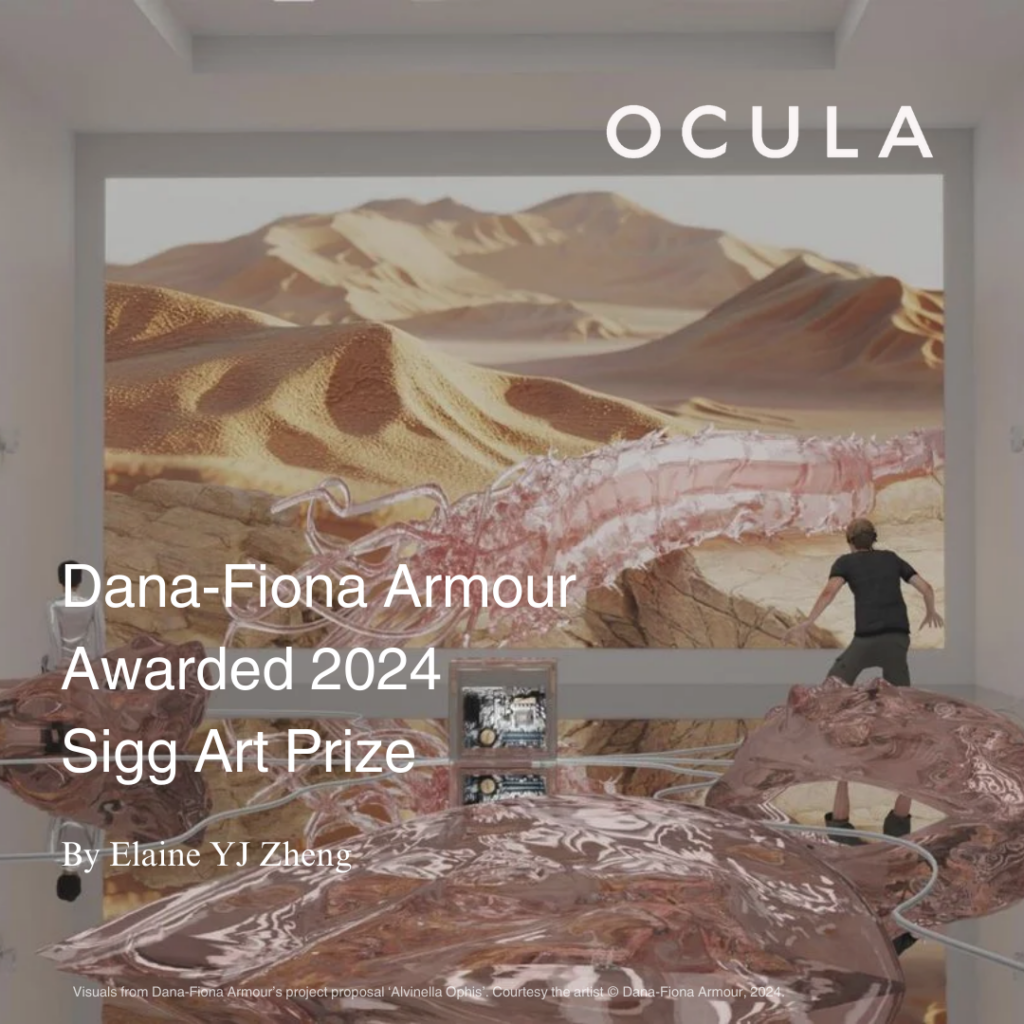
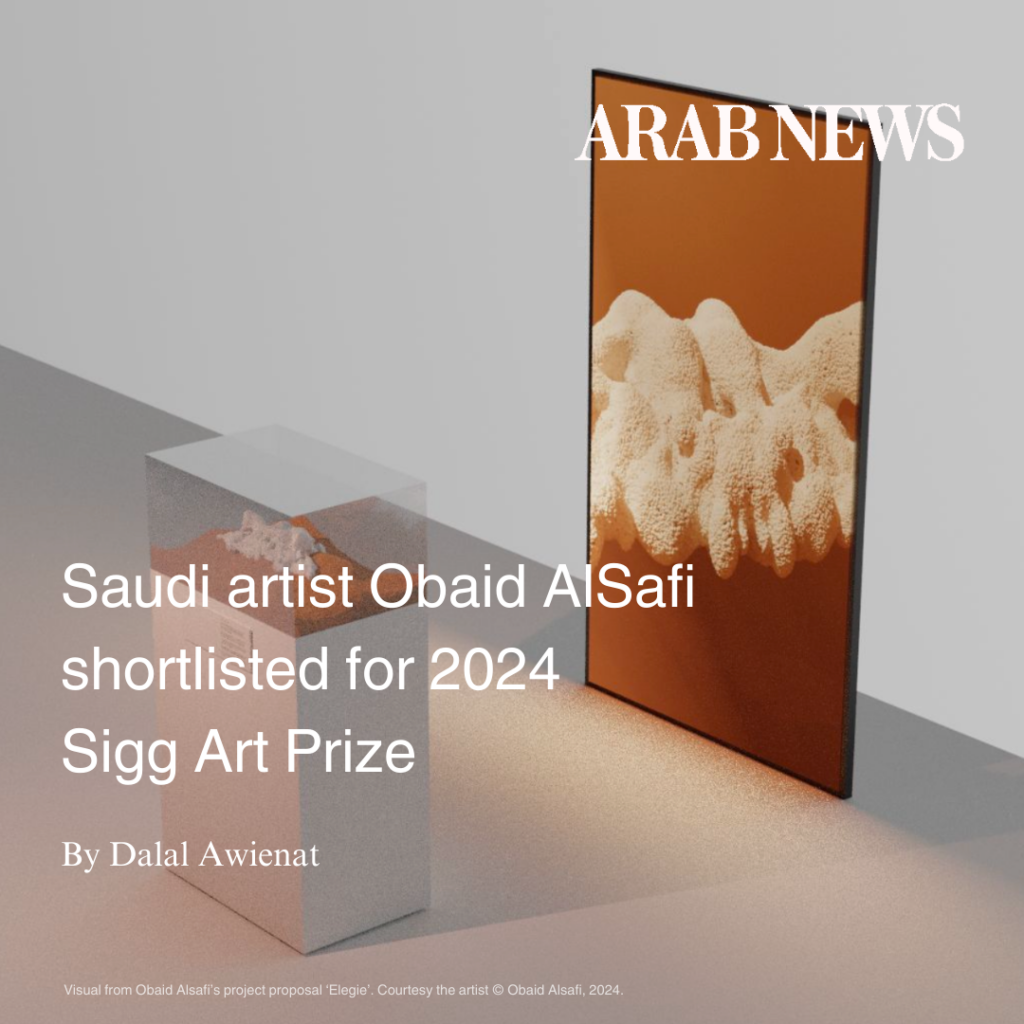
DANA-FIONA ARMOUR WINS THE SIGG ART PRIZE
The Sigg Art Foundation was proud to announce Dana-Fiona Armour as the winner of the 2024 Sigg Art Prize.
The Sigg Art Prize is designed not only to celebrate the pioneering spirit of artists delving into the realms of Artificial Imagination but also to materially support their journey. To this end, we were delighted to offer an award of 10,000€ to the Dana-Fiona Armour, laureat of the 2024 Sigg Art Prize.
This award signifies our belief in the transformative power of art and technology and our commitment to fostering innovation within the artistic community. It is a testament to our ongoing effort to amplify creative voices and to sustain the pursuit of groundbreaking work that challenges, inspires, and transcends traditional boundaries.
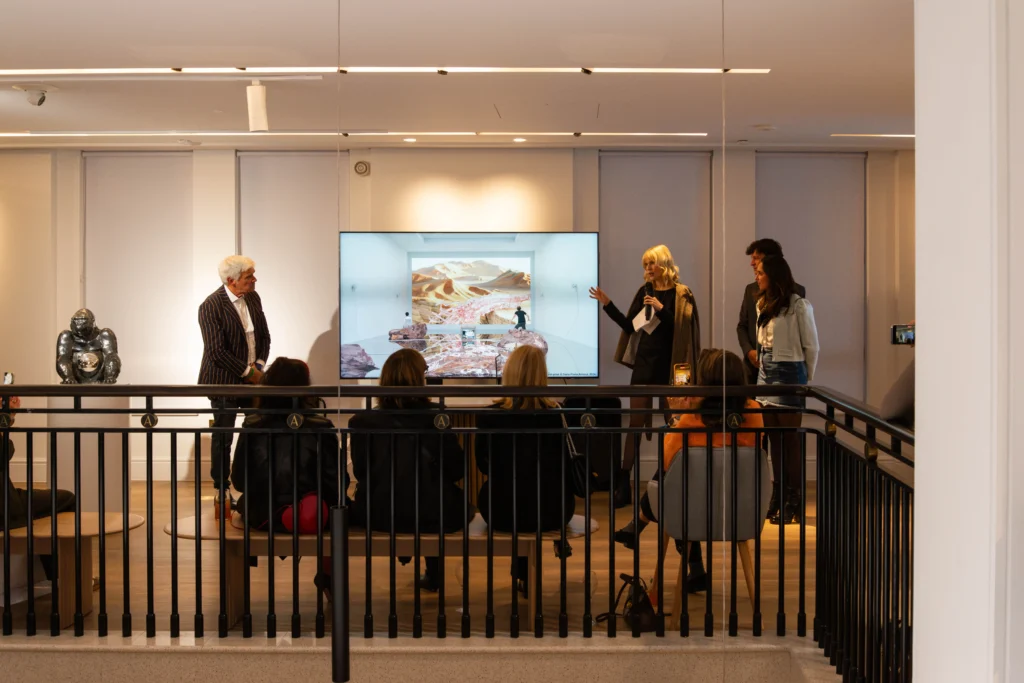
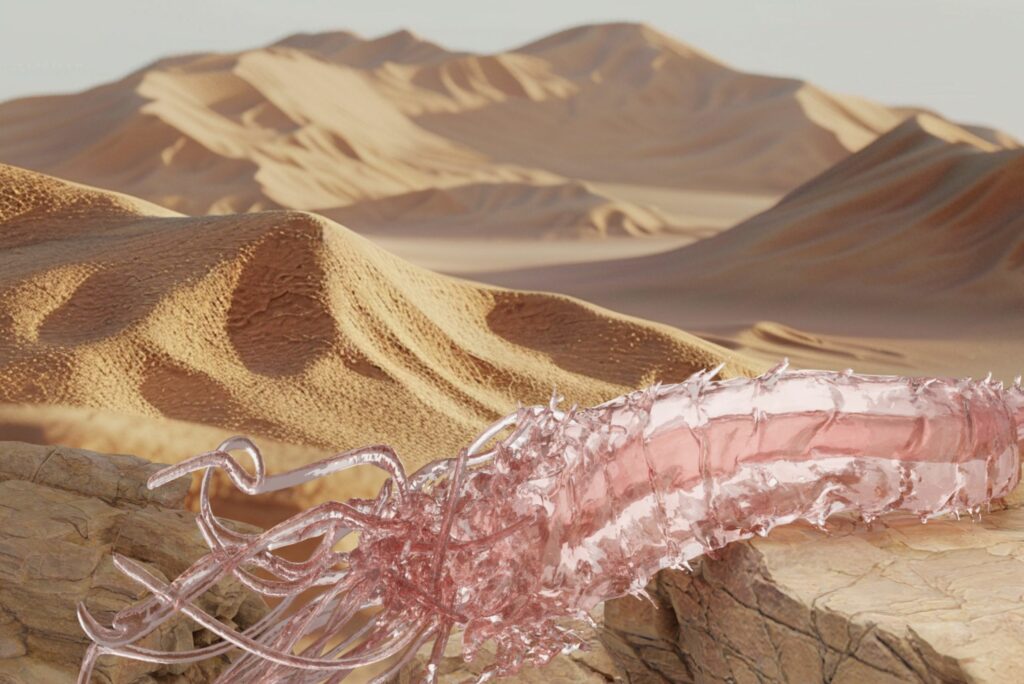
Selection Committee
This edition, our esteemed jury, composed of leading figures from diverse fields such as art, technology, philosophy, and cultural management, have conducted a meticulous review of each submission.
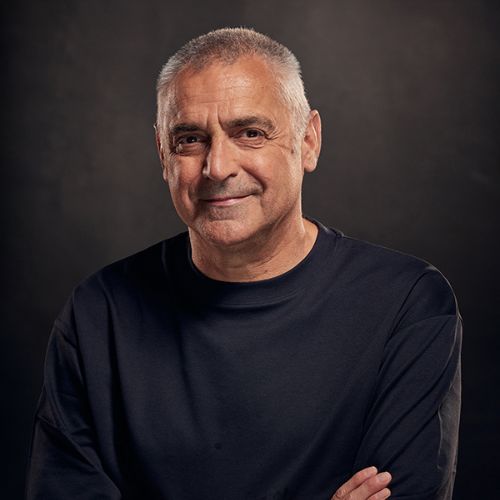
Dominique Moulon
Digital Curator & Art Critic – President of the Jury
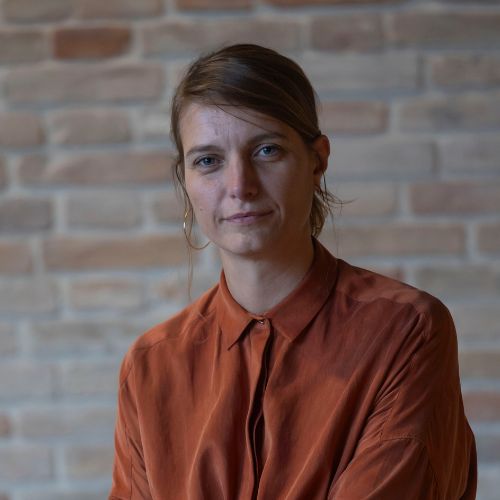
Anne Stenne
Co-founder and Artistic Director at Le Féral
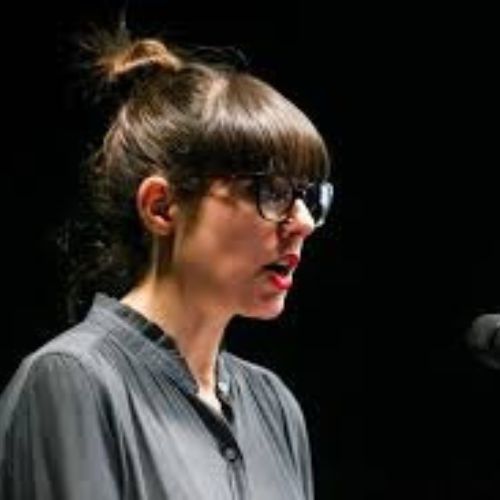
Anna Longo
Philosopher, Writer, and Program Director at the Collège International de Philosophie (Paris)
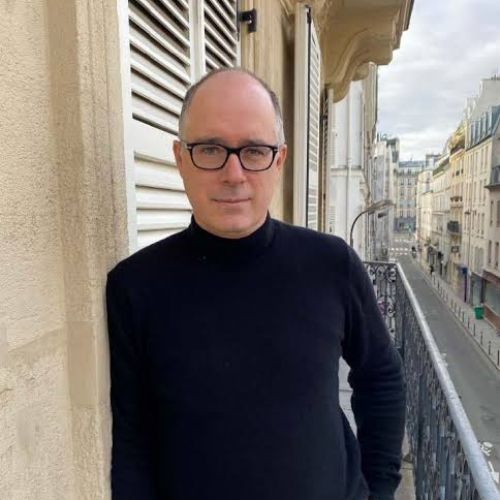
Antonio Somaini
Professor of Film, Media, and Visual Culture Theory at the Université Sorbonne Nouvelle
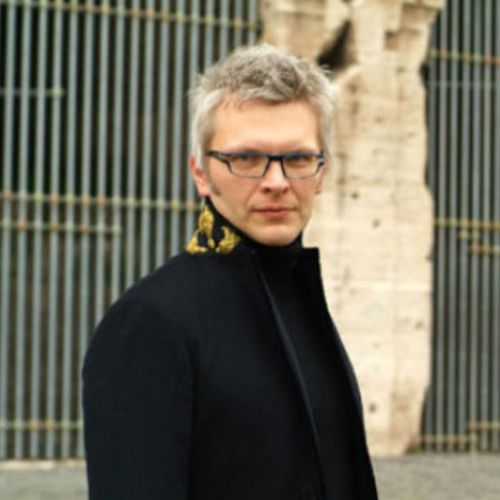
Gediminas Urbonas
Professor in Art, Culture and Technology at the Massachusetts Institute of Technology
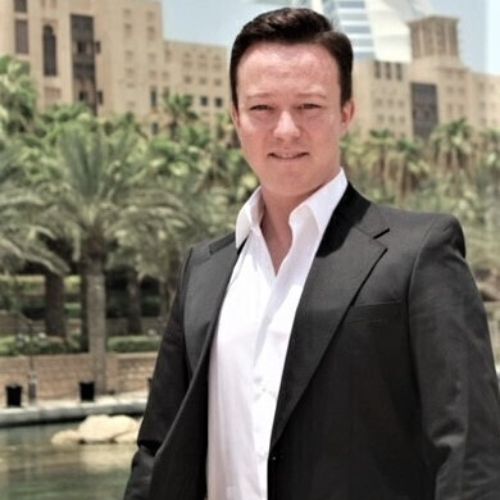
Joseph Fowler
Head of Art and Culture at the World Economic Forum
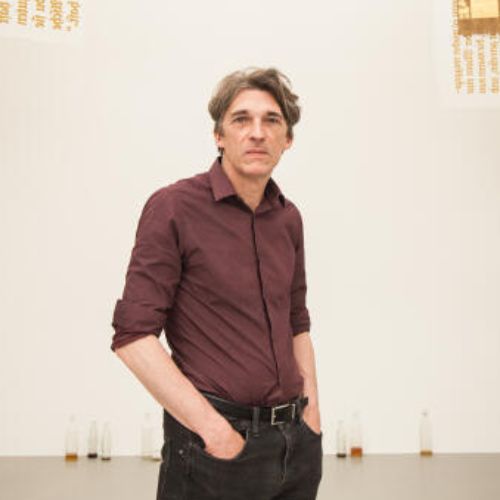
Nicolas Bourriaud
Curator and art critic
Previously the Artistic Director of the 15th Gwangju Biennale, South Korea
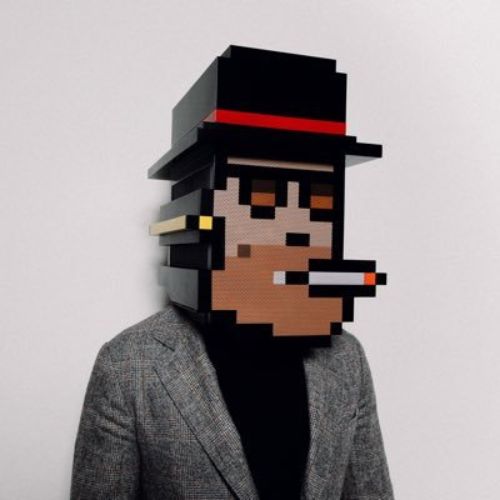
Seedphrase
NFT & Digital Art Collector
AI COMMITTEE MEMBER
One of the members of the jury is an AI who analyze the artistic projects from a textual and visual point of view, using LLM and machine vision. The AI evaluate them qualitatively and quantitatively, making her criteria as explicit as possible, and in particular the originality of the proposals in their treatment of the problematic, the technologies and the history of art. The result have been presented to the other members of the jury by the cloned voice of the AI’s author.
Grégory Chatonsky, who was asked to take part in the jury, preferred to give the AI a voice. As the AI is a statistical accumulation of texts, images and opinions, it can mimic the judgment of a jury and express the average.
Grégory Chatonsky has not read any project proposals before the dialogue he had with the AI.
↘︎ READ MORE
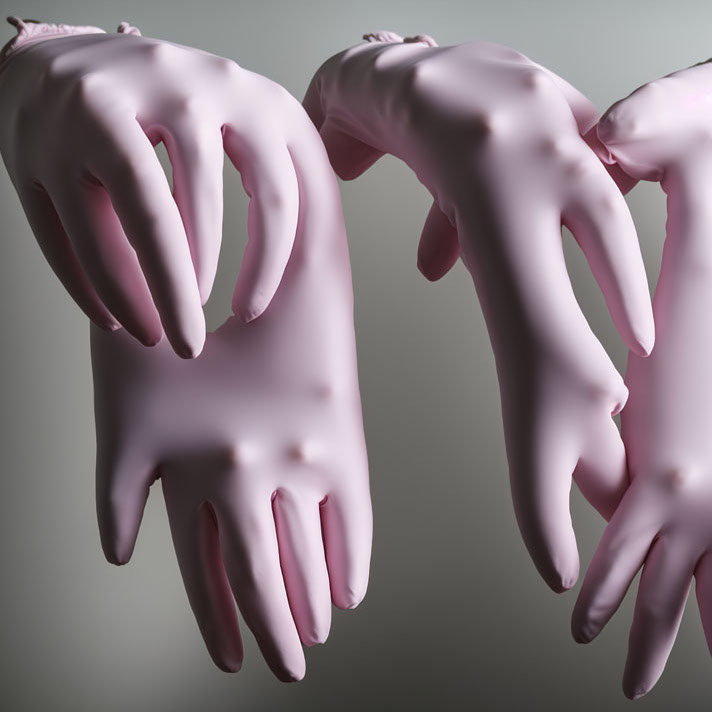
7 Shortlisted artists
DANA-FIONA ARMOUR (Laureate)
b. 1988, in Willich, Germany
Lives and works in Paris
Defining herself as an artist-researcher, Dana-Fiona Armour is dedicated to bridging the gap between species. Collaborating with scientists, her installations and sculptures provoke reflection on our fluid reality and explore new forms of symbiosis. By encouraging a deeper understanding, her work challenges to reconsider our relationship with nature. Dana-Fiona was represented by Andréhn-Schiptjenko Gallery in Paris and Stockholm and is a resident of the Poush Collective.
Obaid AlSafi
b. 1991, in Wadi ad-Dawasir, Kingdom of Saudi Arabia
Lives and works in Riyadh
Obaid Alsafi, born in 1991 in Wadi ad-Dawasir and currently based in Riyadh, is a contemporary artist specializing in new media installations, video, and data-driven projects. With a background in computer science, Alsafi brings a systematic approach to his creative work, exploring the hidden or invisible aspects of life. He examines how data shapes our physical environment, collective memory, and reality, often blending his research with elements of photography, poetry, and Arabic literature.
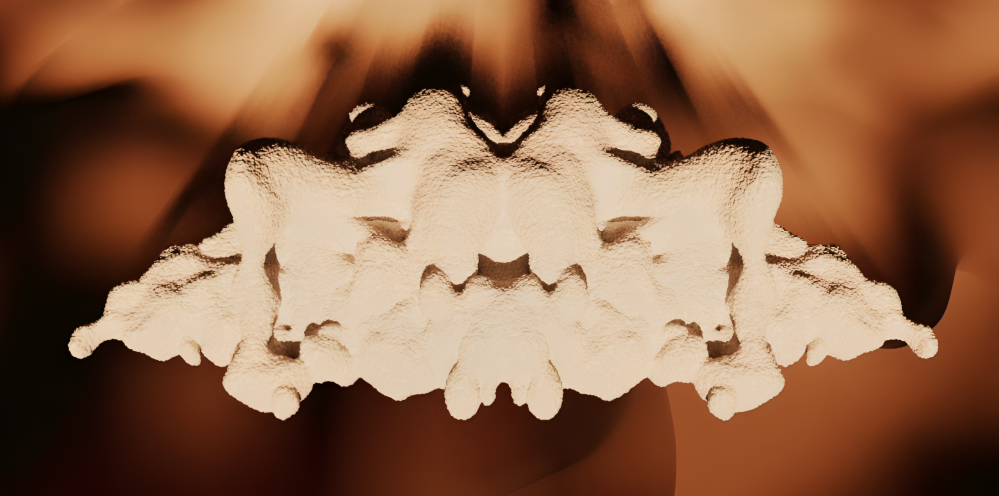
LEA COLLET
b. 1989, in Lyon, France
Lives and works between Aulnay-sous-Bois and London
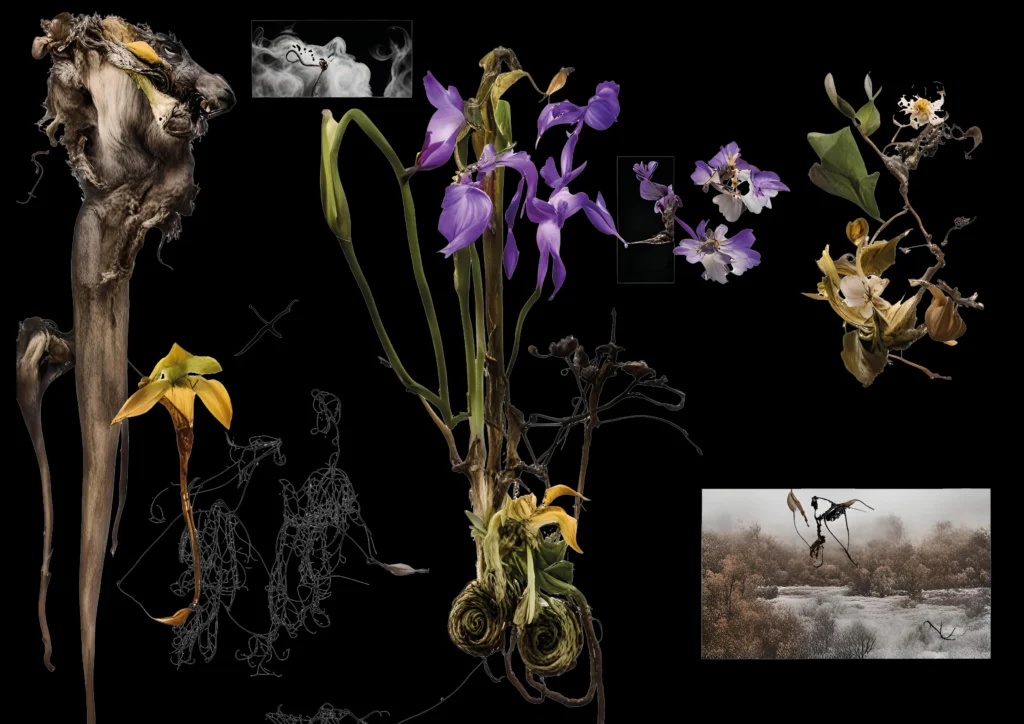
Lea Collet’s practice oscillates between moving images, digital tools, installations and research. Her work shifts and speculates on the interconnections between botany, emotions, territory, transmission and technology. Particular attention is paid to the coexistence of natural and artificial intelligences. Her works have been presented in Paris, Fondation EDF- Côté Court; in French institutes; La Villa Saint-Louis, IF Mauritania, in London Camden Arts Centre, Arebyte Gallery & Gossmer Fog.
AGNIESZKA KURANT & JOHN MENICK
Kurant, b. 1978, in Łódź, Poland
Menick, b. 1976, White Plains, New York
Both living and working in New York City
Agnieszka Kurant is the recipient of the 2020 LACMA A+T Award and the 2019 Frontier Art Prize. Her solo shows include Mudam Luxemburg, Castello di Rivoli, Hannover Kunstverein, Sculpture Center, and commissions for the Guggenheim Museum and MIT. Group shows include the MoMA, Centre Pompidou, Istanbul Biennial; Gwangju Biennale, the Biennale of Sydney, SFMOMA, Louisiana Museum.
John Menick’s work was exhibited at Documenta (13); MoMA PS1; Palais de Tokyo; the Wattis Institute, and Witte de With.
HARRISON PEARCE
b. 1986, in London, United Kingdom
Lives and works in London
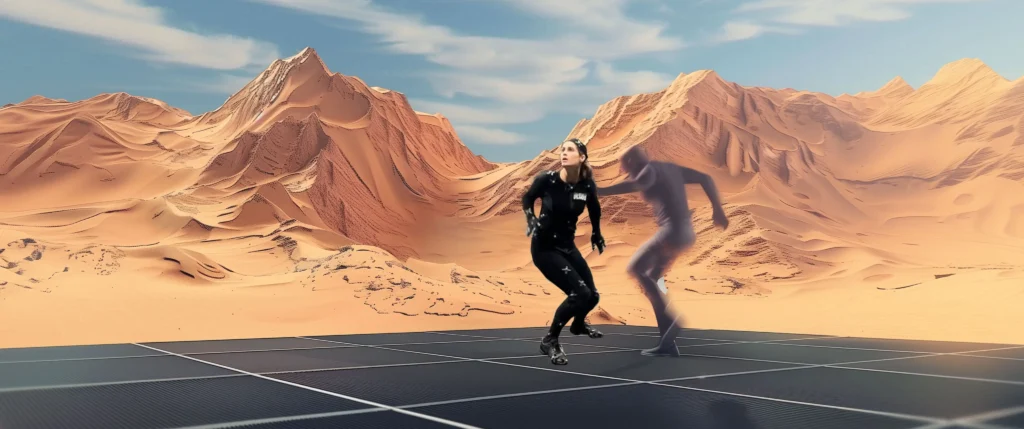
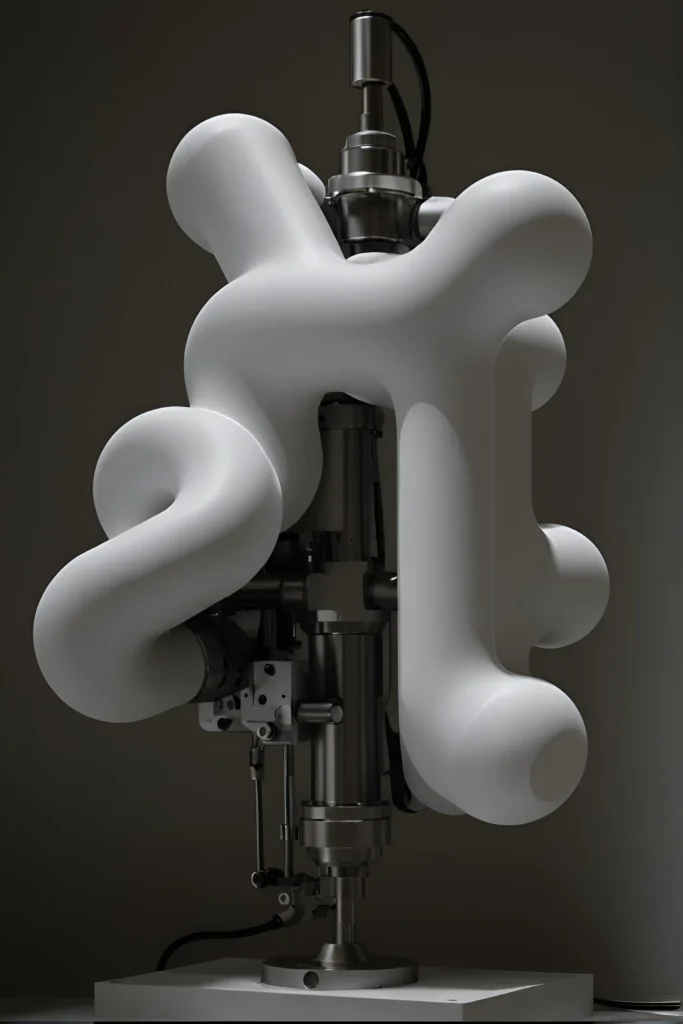
Harrison Pearce is an artist engaged with the intersections of biology, technology and theatre. His practice, spanning painting, sculpture, installation and sound, draws from his personal medical experiences and a background in philosophy, to explore the transformative interdependence between the organic and the engineered. Pearce’s work integrates minimalist aesthetics with industrial materials and sensual forms to challenge perceptions of the body, intimacy, control, and empathy.
AARON SCHEER
b. 1990, in Ahlen, Germany
Lives and works in Berlin

Aaron Scheer is a Berlin-based artist merging digital media with traditional painting techniques. His work explores the role of technology in shaping
human experience, using AI and digital tools to create hybrid works that redefine contemporary art. Scheer’s work has been shown, among others, at Kunstmuseum Bonn, Kunsthalle Düsseldorf, Kunstsammlungen Chemnitz, Boros Foundation, Office Impart, Falko Alexander, König Galerie and Art Cologne. He is part of the art collective darktaxa-project.
SASHA STILES
b. 1980, in Pasadena, California, USA
Lives and works in Milford, NJ
Sasha Stiles is a first-generation Kalmyk-American poet, language artist, and AI researcher whose pioneering work with generative literature and blockchain poetics explore human voice in a machine age. A graduate of Harvard and Oxford, co-founder of theVERSEverse, and poetry mentor to humanoid android BINA48, Stiles lives near New York City with her husband and studio partner, Kris Bones.
Sigg Art Prize 2026
This second edition of the Sigg Art Prize “Artificial Crafts” celebrates the union of intangible heritage and cutting-edge technological progress, cultivating a dynamic exchange challenging the boundaries of arts and technologies.